How to Choose the Right Product Photographer for Ecommerce & Online Sales
Table of Contents
Ecommerce Product Photography Is Different From Traditional Photography
Define Your Ecommerce Requirements
Evaluate Their Portfolio (Beyond Pretty Pictures)
Ask Questions About Their Process
Choose a Partner – Not Just a Photographer
Key Takeaways
Choosing the right ecommerce product photographer is a business decision, not just a creative one. The right partner delivers consistent, platform-ready, conversion-ready images across every SKU, with workflows built for scalability, timelines, and platform compliance. By evaluating both portfolio and process, you can confidently hire a product photographer who supports online sales and long-term growth.
Ecommerce images shape trust, reduce hesitation, and help shoppers make quick decisions. But the right photographer isn’t the one with a few standout shots. It’s the one who can deliver consistent, platform-ready images across every SKU, with a process that supports your timelines, team, and growth.
In this guide, we’ll show you how to evaluate a product photographer for ecommerce and online sales, including what to look for in a portfolio, what to ask about workflow and scalability, and how to choose a partner who can support your catalog long-term.

Ecommerce Product Photography Is Different From Traditional Photography
If you’re researching how to choose a photographer, it’s important to understand that ecommerce product photography isn’t the same as traditional commercial or lifestyle photography.
In ecommerce, your images don’t just represent your brand – they replace the in-person experience. Customers can’t touch the product, turn it over, or examine it under different lighting. This means your photography for products has to do more than look good. It has to answer questions, remove doubt, and support a buying decision in seconds.
This is why professional product photography isn’t a creative luxury, it’s a conversion asset. And the right studio understands that images must work across product detail pages, marketplaces, paid ads, and email campaigns – often in high volume and under tight timelines.
When you’re looking to hire a product photographer, the goal is to find someone who understands how ecommerce images function: driving conversion, maintaining brand cohesion across dozens (or hundreds) of SKUs, and scaling with your catalog as it grows.
Define Your Ecommerce Requirements
Before you engage a product photographer, get clear on what your business actually needs.
One of the biggest mistakes brands make when researching how to choose a photographer is focusing on style first. Aesthetic matters, of course, but in ecommerce product photography, operational alignment matters more.
Start by defining three things:
1. Where You Sell
Your sales channels directly impact your ecommerce photography needs. Are you selling on:
Your own Shopify or DTC (direct-to-consumer) site?
Wholesale or B2B (business-to-business) platforms?
Paid social and email campaigns?
Different platforms have different image requirements, cropping rules, and buyer expectations – plus compliance constraints like authenticity requirements and editing restrictions. For example, Walmart Marketplace requires actual product images (not stock photos) and prohibits treatments like text overlays, watermarks, and borders.
A photographer who understands how images function across these channels will deliver files that are ready to use (not ones you’ll have to rework).
2. Volume & Scalability
Are you launching 5 SKUs? 50 SKUs? 300+ SKUs over the next year? High-quality professional product photography for ecommerce must scale. That means:
Consistent lighting
Repeatable angles
Standardized cropping
Organized delivery system
If your product line expands seasonally or frequently, you need professional photography services built around repeatability.
3. The Role Images Play in Your Buying Experience
Not every product requires the same type of photography for products. For example, beauty brands often require extremely precise color accuracy and texture detail to maintain buyer trust. Your needs may include:
Clean white-background essentials
Detailed macro shots
Lifestyle or in-use images
Social-first assets
You don’t need to define the technical setup, but you do need clarity on how customers evaluate your product online. That context helps you choose a photographer who understands how to support your sales funnel.
Defining these requirements upfront turns the conversation from “Can you take good photos?” to “Can you support how we sell?” And that shift is what separates a creative vendor from a true ecommerce partner.

Evaluate Their Portfolio (Beyond Pretty Pictures)
When researching ecommerce product photographers, look carefully at their portfolio. A portfolio should prove they can produce consistent, conversion-ready assets that work across your catalog. Specifically consider:
Consistency Across a Full Line
Consistency is what makes a store feel credible – and what makes your catalog easier to expand without visual drift. Don’t judge the best image. Look for sets. A strong ecommerce portfolio should show:
The same product photographed across multiple angles without lighting shifts
Multiple SKUs that look like they belong together (background tone, shadow style, crop, perspective)
Predictable results across different materials (matte, glossy, reflective, textured)
Clarity That Holds Up Where Customers Actually Shop
Shoppers zoom. Platforms compress. Thumbnails are unforgiving. Look for professional product photography that stays clean under real ecommerce conditions:
Crisp edges and controlled shadows (not muddy, not floating)
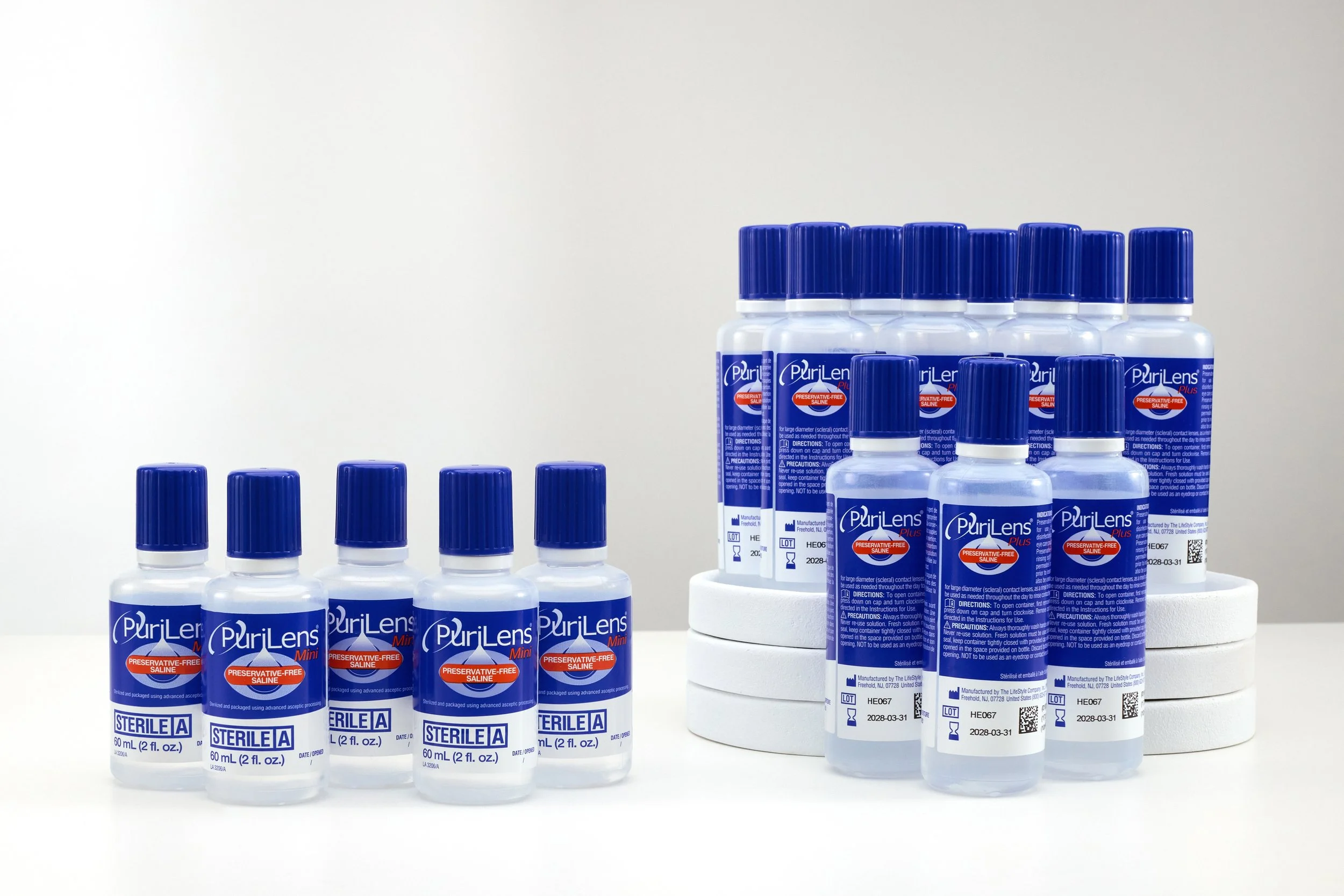
Labels and packaging details that stay readable
Color that looks believable across the set (no warm/cool swings)
Retouching that supports accuracy, not “effect”
This is the difference between images that look good in a portfolio grid and images that perform on a product detail page.
Evidence of Ecommerce Context (Platform Awareness)
If you’re going to hire a product photographer, you want proof they understand how customers evaluate products online – not just how to make a single image look impressive. Remember, a photographer can be talented and still be a poor fit for ecommerce.
Strong ecommerce photography often shows subtle signs of sales-channel understanding, like:
Framing that accommodates cropping for different placements
Product positioning that supports comparison and evaluation
A mix of angles and details that anticipate buyer questions
Ask Questions About Their Process
When you’re deciding whether to hire a product photographer, take time to understand their workflow. A polished portfolio shows creative ability, but it’s their process that will show you how they can support your business. Workflows protect timelines, ensure consistency, and keep your team from chasing files or clarifying details after delivery. Here’s what to look for:
Product Intake & Organization
Professional photography services designed for ecommerce should have a documented intake system, especially if you plan to scale. Ask:
How are products labeled and tracked during the shoot?
How do you prevent mix-ups between shades, sizes, or variations?
Do you confirm quantities and condition upon arrival?
Shot List Alignment
Without alignment upfront, even beautiful images can miss what your product detail page actually needs. Make sure these questions are answered in advance:
Will you confirm required angles before shooting?
How are backgrounds selected and standardized?
Do you plan shots based on where the images will be used (Shopify, Amazon, ads)?
What deliverables are documented before production begins?
File Delivery & Naming Conventions
This is one of the biggest indicators of ecommerce experience. Strong ecommerce photography doesn’t create more work for your internal team. It integrates cleanly into your existing systems. Ask:
How are files named?
Are formats optimized for web and marketplace upload?
Will images be delivered in consistent aspect ratios?
Revision Process & Communication
Every brand needs adjustments sometimes. The question is whether the studio has a defined structure for handling them. Clear communication is often the difference between a smooth launch and a delayed one. Be sure to clarify:
How many revision rounds are included?
What qualifies as a revision vs. a reshoot?
What’s the turnaround time on changes?
Licensing & Usage
Clear terms protect both sides – and prevent surprises after launch. Ask:
Who owns the image rights?
Are there licensing limitations we should understand?
Are there usage limitations (ads, marketplaces, packaging, print)?
Is licensing perpetual or time-bound?
Scalability & Capacity
Infrastructure turns professional product photography into a long-term growth asset, not just a one-time creative project. If your catalog grows from 20 SKUs to 200, can they keep up? Professional ecommerce studios should be able to clearly explain:
Can your studio support high-volume or ongoing ecommerce photography?
How do you maintain consistency as a catalog grows?
What does turnaround look like for larger product lines?
Do you offer bundled or repeatable professional photography services for brands scaling over time?
Choose a Partner – Not Just a Photographer
Choosing the right ecommerce photographer comes down to one core principle: you’re not hiring someone to take pictures, you’re selecting a partner to support how you sell.
At Rainey Day Media, our professional photography services are built specifically for ecommerce brands that need clarity, consistency, and scalable systems. From streamlined intake to platform-ready delivery, we design our workflow around how online businesses operate.
If you’re planning a launch or looking to elevate your existing catalog, explore our services, spend time with our product photography gallery, and start a conversation. We’d love to help you create images that look great and drive conversions.