Product Photography Tips for Supplement & Wellness Brands That Sell
Table of Contents
Why Supplement Photography Makes or Breaks Your Sales
Before You Invest: Know Your Form, Goal & Platform
The Images Your Supplement Storefront Actually Needs
Why Supplement Products Are Deceptively Hard to Photograph
One Shoot, a Full Content Library
Can You DIY Supplement Photography?
What to Look for in a Supplement Product Photographer
Make Your Supplement Photography Work Harder
Key Takeaways
Supplement product photography builds shopper confidence by presenting products clearly, accurately, and consistently across ecommerce channels. The right mix of catalog, contextual, UGC-style, and motion content can help wellness brands showcase their products effectively while building a versatile library of assets that supports growth.
For supplement and wellness brands, product photography carries more weight than presentation alone. Shoppers evaluate trust, quality, and credibility at the same time they evaluate the product itself.
Strong supplement product photography helps make that decision easier by giving shoppers a clear, polished view of the product and reinforcing confidence from first impression to purchase.
Why Supplement Photography Makes or Breaks Your Sales
Health supplements are a trust-heavy purchase. Shoppers are choosing to put something in or on their bodies, often based on information they've gathered online. They’re paying attention to ingredients, formulations, reviews, packaging, and whether the brand itself feels credible. Wellness product photography plays a major role in that evaluation.
Your ecommerce imagery must present your vitamins, powders, capsules, gummies, liquids, and other wellness products clearly, accurately, and persuasively.
Good supplement product photography helps shoppers:
See exactly what they're buying
Read important packaging and label details
Understand product size, format, and presentation
Recognize differences between flavors, formulas, or variants
Feel confident in how the product and brand are presented
A crooked label, distracting reflection, inaccurate color, or inconsistent set of product images can make an otherwise premium supplement look cheap. And when a shopper is already deciding whether to trust an unfamiliar wellness brand, these visual details matter.
Your imagery needs to look polished while reducing uncertainty and giving shoppers confidence to “add to cart.”
Before You Invest: Know Your Form, Goal & Platform
Knowing how to photograph supplements effectively starts with understanding the product, where the images will appear, and what they need to accomplish.
A white-background bottle shot for an Amazon listing serves a different purpose than imagery for a Shopify homepage, paid ad, email campaign, or social post. Likewise, a pouch of powdered greens presents differently than a glass tincture bottle, gummy jar, or capsule container.
Before investing in new photography, consider three things:
Product format: Bottles, jars, pouches, powders, liquids, gummies, and multipacks each have different visual priorities.
Business goal: Are you launching a product, refreshing a storefront, building a campaign, or creating a broader content library?
Sales channels: Amazon, Shopify, social media, email, and advertising each call for different image formats and creative approaches.
Thinking through these needs upfront helps ensure the photography you invest in works for both the product and the places you sell it.
The Images Your Supplement Storefront Actually Needs
Different types of imagery serve different roles across the supplement buying journey. The right mix gives shoppers the clarity they need while supporting ecommerce, advertising, social media, and other marketing channels.
Ecommerce & Catalog Photography
Clean product photography is the foundation of an ecommerce image library. These images should make the product easy to evaluate, with clear packaging, accurate colors, and a polished, consistent presentation across every SKU.
White-background photography is especially important for online marketplaces, but it also gives brands versatile assets for product pages, comparison tools, email campaigns, and other marketing needs.
Marketplace requirements add another layer. Amazon, for example, has specific standards for main images, backgrounds, dimensions, and product presentation. Accounting for those requirements from the start helps ensure your assets are ready to use without unnecessary edits or reshoots.
Lifestyle & Ingredient Imagery
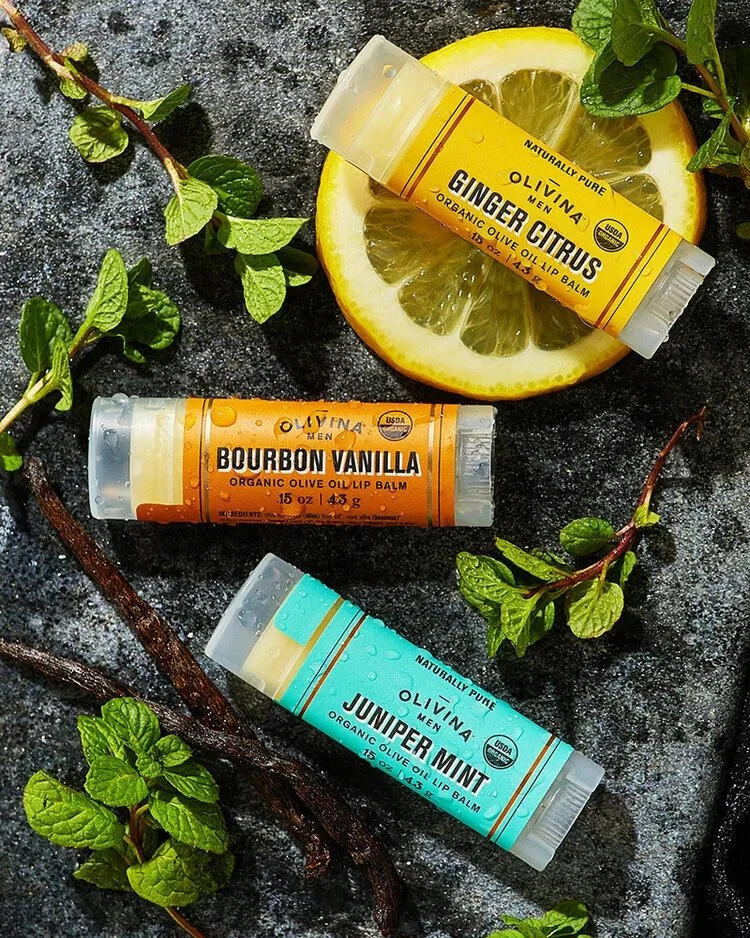
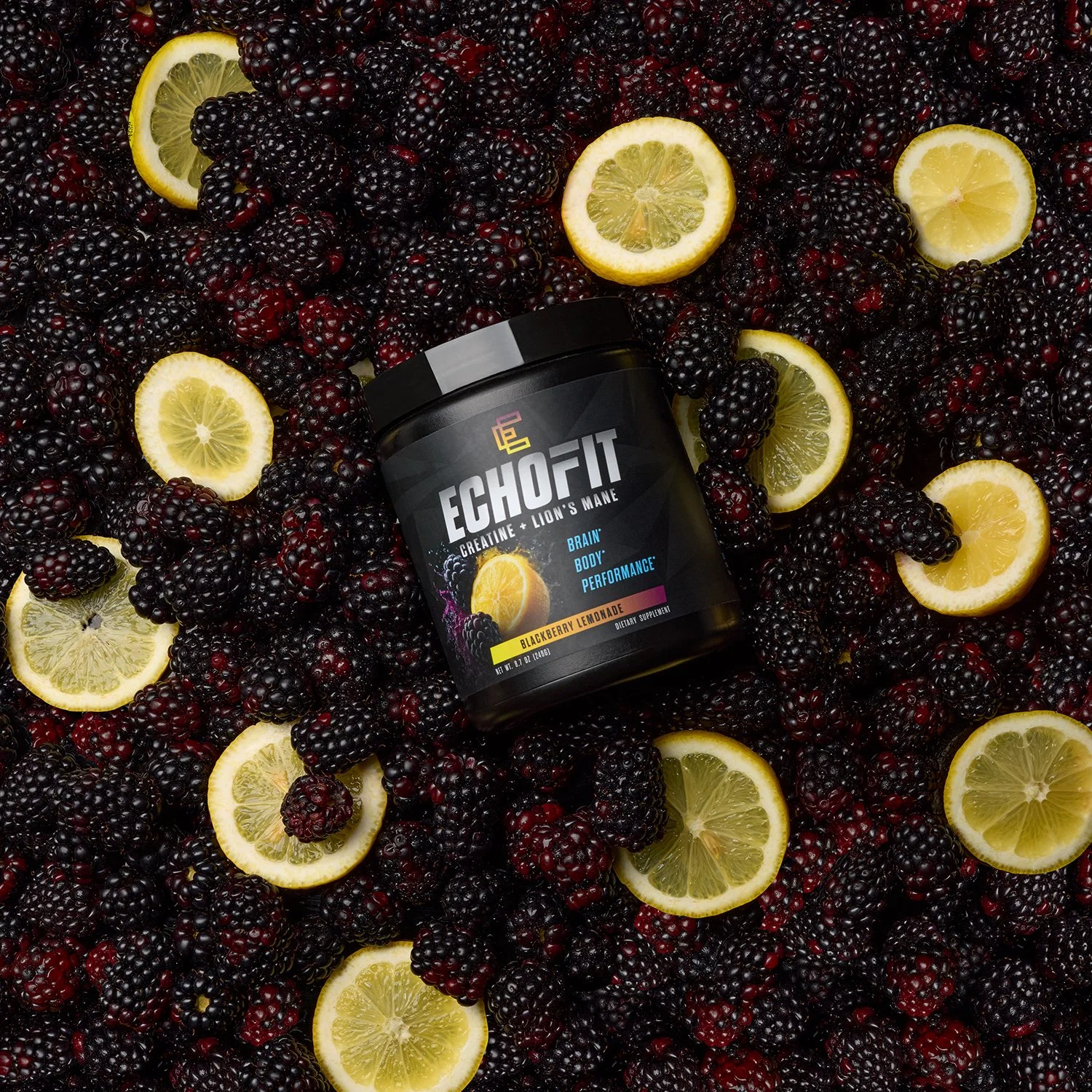
Supplement shoppers are buying a bottle or pouch, and they're also buying into a routine, goal, or feeling. Contextual imagery connects the product to that bigger picture through ingredients, routines, or environments that complement the brand.
A greens powder might appear alongside fresh ingredients, for example, while a hydration product could be shown as part of an active routine.
These images are particularly useful for website banners, social media, email campaigns, and advertising, where the goal is often to generate interest rather than simply document the product.
UGC-Style Content
Polished studio photography establishes quality, while UGC-style content adds relatability.
Showing products being held, opened, prepared, or incorporated into everyday routines helps shoppers picture the product in their own lives. This type of content is especially valuable on social-first platforms like TikTok and TikTok Shop, where authentic, in-use visuals can help products feel more natural in the feed and support the path from interest to purchase.
The strongest content mix uses clean imagery for clarity, contextual photography for aspiration, and UGC-style content for real-world relevance.
Why Supplement Products Are Deceptively Hard to Photograph
Supplement packaging can look simple at first glance: a bottle, pouch, jar, or dropper on a clean background. In practice, small visual flaws can make the product feel lower quality than it is.
Reflective Bottles & Metallic Seals
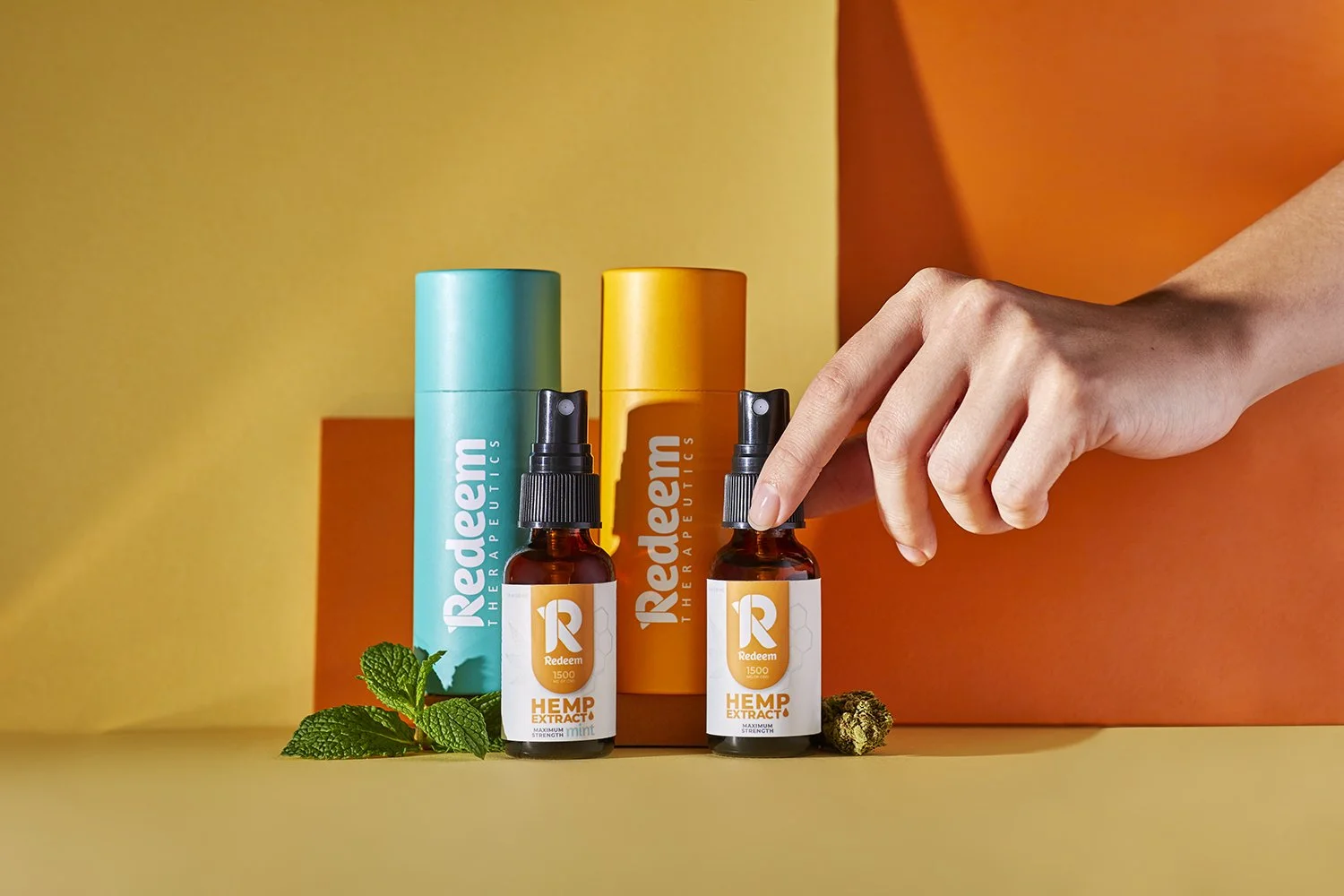
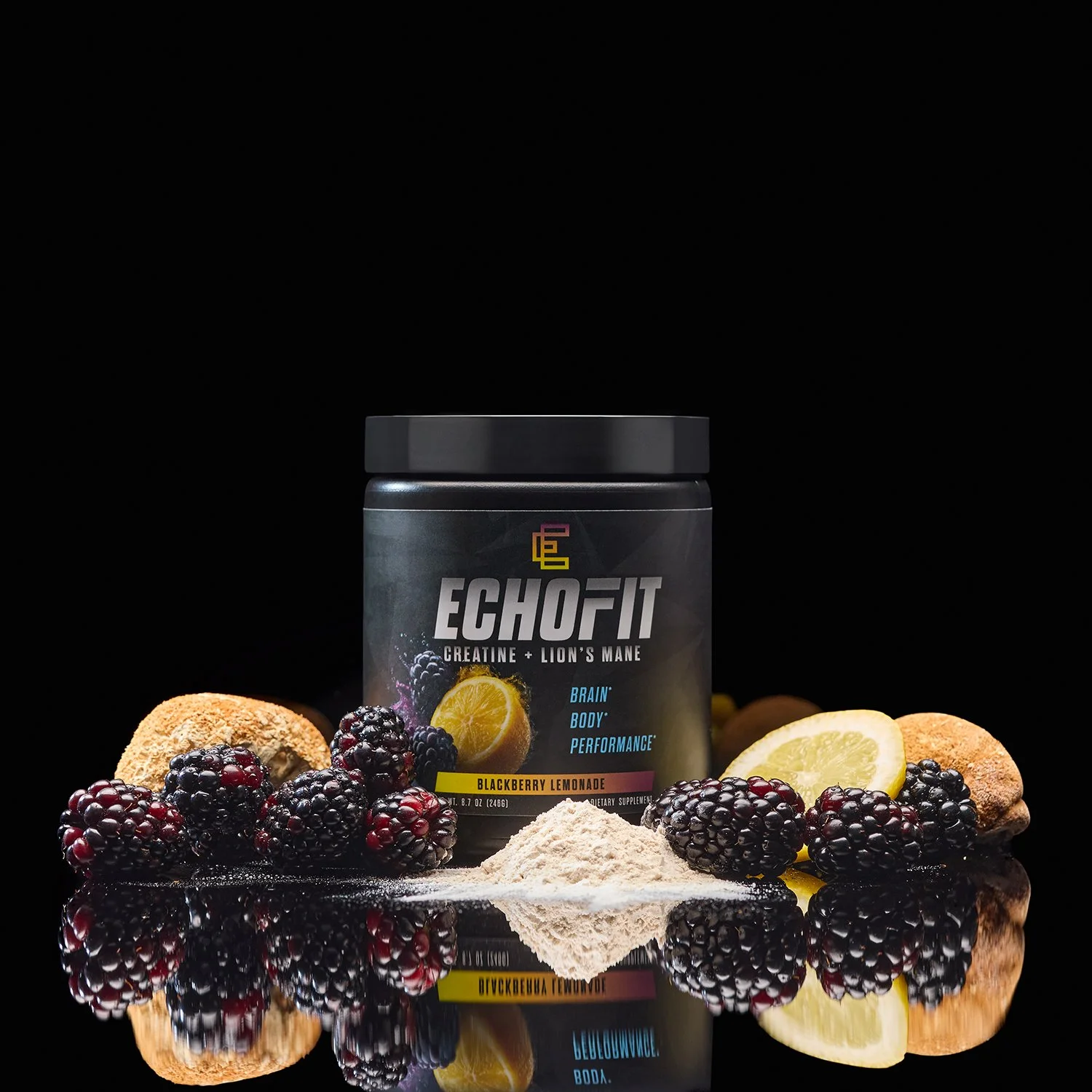
Glossy plastic, glass, foil seals, metallic caps, and shiny labels can create distracting reflections that pull attention away from the product.
This is often where inexpensive-looking health supplement photography gives itself away. Premium packaging can quickly look uneven, cheap, or difficult to read online.
Transparent Liquids & Glass
Tinctures, oils, serums, and other liquid wellness products introduce another challenge: the container, liquid color, fill level, and label all need to read clearly at the same time. If any one of these elements looks muddy, dull, or distorted, the product becomes harder to evaluate.
Powders, Gummies & Other Product Formats
The challenges aren't limited to packaging.
Powders should communicate texture and color accurately, while gummies and capsules need to look consistent in size, shape, and appearance. Flexible pouches can also look wrinkled or deflated in photography, making polished packaging appear less premium online.
Fine-Print Labels
Supplement packaging carries a lot of information in a small space. If labels are soft, warped, obscured by glare, or difficult to read, the image immediately feels less polished. That matters even more when shoppers are comparing formulas, flavors, serving sizes, or ingredient information.
Consistency Across a Product Line
A full supplement catalog needs consistency. Bottle heights, label placement, color, scale, and editing should feel cohesive across SKUs so shoppers can compare products easily. For growing wellness brands adding new flavors, formulas, or formats, a repeatable visual standard also helps each new product feel like part of the same brand.
One Shoot, a Full Content Library
Supplement product photography usually has multiple applications – from marketplaces like Amazon and Etsy to Shopify storefronts, email campaigns, social feeds, and paid ads – each with different creative needs. This makes a photoshoot an opportunity to build a broader content library, rather than simply capture a set of product images.
Alongside core ecommerce photography, brands can plan for:
Detail and alternate product views
Social and advertising content
UGC-style imagery
Stop-motion GIFs and short-form motion
Creating photo and video assets together helps maintain a consistent visual identity while giving marketing teams more content to use with across campaigns and channels.
For growing supplement brands, that flexibility extends the value of each shoot and reduces the need to return to production every time a new campaign needs creative.
Can You DIY Supplement Photography?
Absolutely. For early-stage brands, behind-the-scenes content, organic social posts, or quick product updates, smartphone photography can be perfectly useful.
The equation changes when those images become part of the sales experience. Product pages, marketplace listings, paid advertising, and major launches put more pressure on photography to look credible, accurate, and consistent.
DIY photography may start costing more than it saves when:
Products look noticeably different from image to image
Labels or packaging details aren't consistently clear
Imagery doesn't reflect the quality or price point of the product
You're repeatedly reshooting assets for different channels
Creating content is taking time away from running and growing the business
The question isn't whether you can photograph supplements yourself. It's whether the results are doing enough to support the way you're selling them.
What to Look for in a Supplement Product Photographer
Not every photographer is equally suited to supplement and wellness brands. The right product photography partner should understand both the challenges of the products themselves and the realities of selling them online.
Look for:
Ecommerce experience: They should understand how imagery needs to function across product pages, marketplaces, advertising, and social media.
Experience with challenging packaging: Reflective bottles, glass, metallic finishes, fine-print labels, powders, gummies, and liquids should look polished, accurate, and easy to evaluate.
Consistency across product lines: A photographer should be able to create a cohesive visual system across flavors, formulas, sizes, and future launches.
Static and motion capabilities: A partner who can produce photography, 360° spins, stop-motion, short-form video, and UGC-style content can reduce the need to coordinate multiple vendors.
A process that fits a growing brand: Look for a partner who can scale with your content needs without making every new SKU or campaign feel like starting from scratch.
The best fit isn't necessarily the studio with the biggest production. It's the one that understands what your imagery needs to accomplish and can consistently create assets that help your products sell.
Make Your Supplement Photography Work Harder
Ready to upgrade your supplement product photography? Contact Rainey Day Media to create ecommerce imagery built to support your products, sales channels, and growth. We can’t wait to pair our services with your wellness products!